Aluminum Friction Welding for Water-Cooled Plates: Process, Application, and Description in English
Aluminum friction welding, also known as friction welding or friction brazing, is a process that involves the application of pressure and heat to two aluminum components to create a metallurgical bond. This process is commonly used in the manufacturing of water-cooled plates for various applications.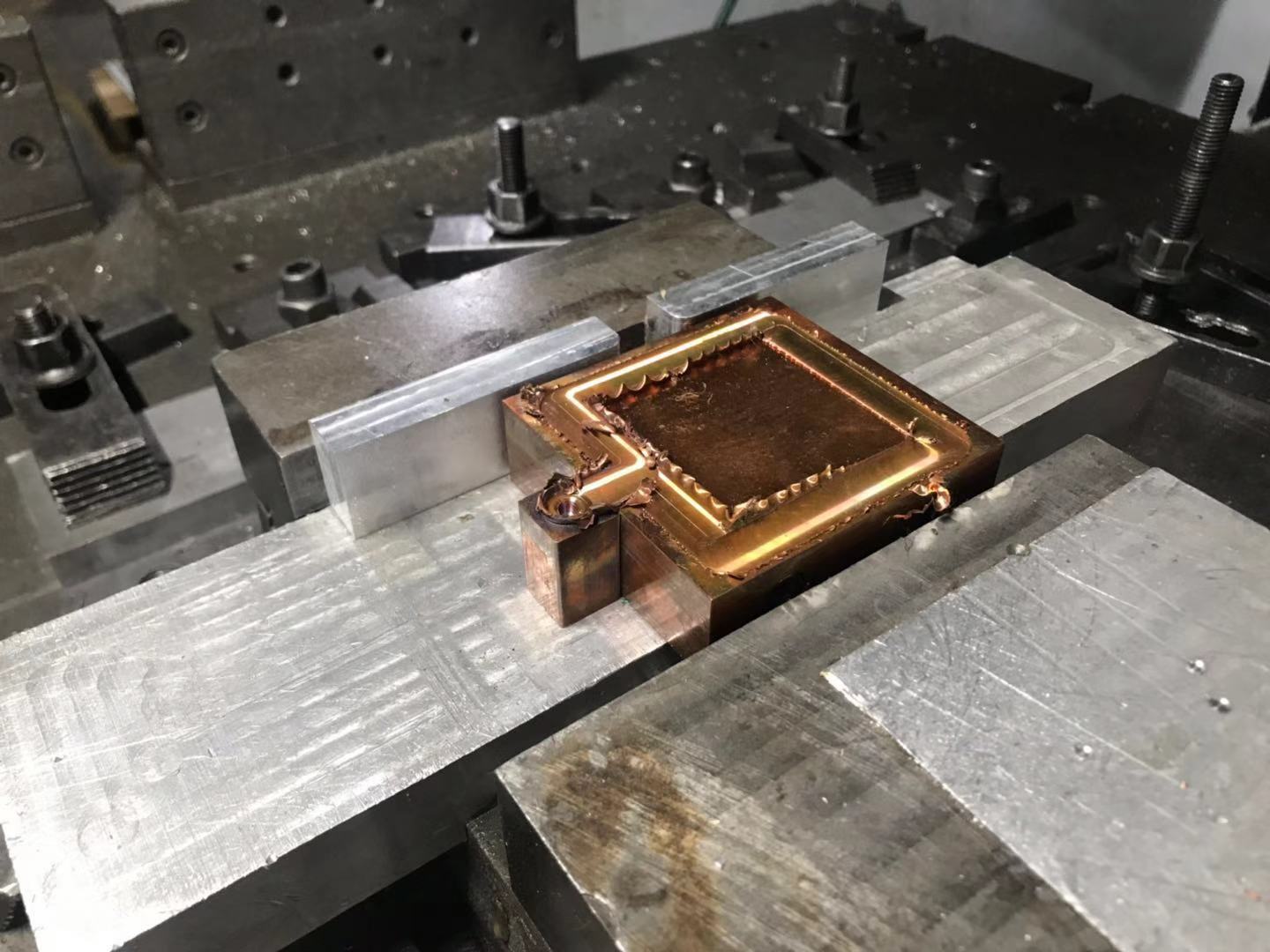
The process of friction welding involves the following steps:
1. Preparation: The two aluminum components to be welded are cleaned and prepared to ensure a clean surface for the welding process.
2. Clamping: The components are clamped securely together to ensure proper alignment during the welding process.
3. Friction: High-speed friction is created between the two components, generating heat and causing the materials to soften.
4. Pressure: Pressure is applied to the components, promoting the flow of material and the formation of a metallurgical bond.
5. Cooling: The components are cooled to solidify the weld joint.
Water-cooled plates are commonly used in various applications, such as heat exchangers, radiators, and other cooling systems. The friction welding process allows for the creation of strong and leak-free joints between the aluminum components, ensuring the durability and performance of these systems.
The friction welding process for water-cooled plates has several advantages over other joining methods, such as brazing or arc welding. These advantages include:
1. High joint strength: The friction welding process creates a metallurgical bond between the components, resulting in a strong and reliable joint with high tensile strength.
2. Leak-free joints: The friction welding process ensures leak-free joints, reducing the potential for fluid leakage and maintaining the integrity of the cooling system.
3. High-speed production: Friction welding allows for high-speed production, reducing cycle times and increasing throughput, which is particularly beneficial for large-scale manufacturing operations.
4. Consistent quality: The friction welding process produces consistent quality joints with consistent material properties and joint strength, ensuring consistent performance of the water-cooled plates.
In summary, friction welding is a highly effective process for joining aluminum components in the manufacturing of water-cooled plates. It offers strong joints with high tensile strength, leak-free joints, high-speed production, and consistent quality, making it an attractive choice for various applications in the cooling system industry.
Post time: Dec-18-2023